
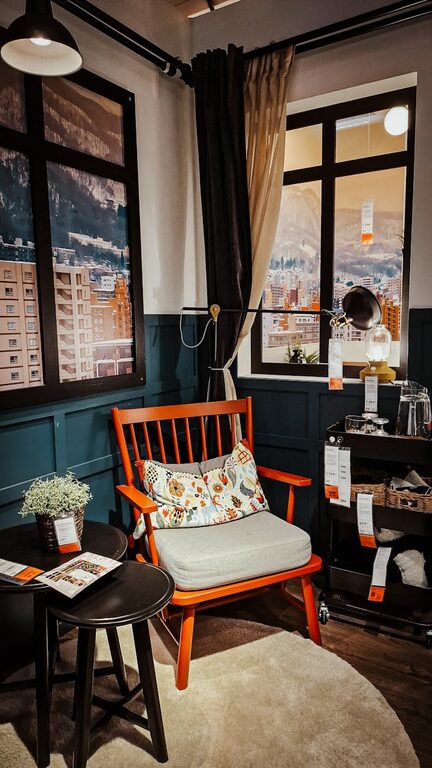
Living in a noisy environment can be stressful and disruptive, whether the sounds come from outside traffic, noisy neighbors, or household activities. Fortunately, reducing noise at home doesn’t always require major renovations or expensive solutions. With a few practical steps, you can create a calmer, quieter space that promotes relaxation and concentration.
In this post, we’ll explore simple yet effective ways to minimize noise in your home using everyday items and smart design choices.
Understanding Noise in the Home
Before diving into solutions, it’s helpful to understand where noise commonly comes from inside a home:
– External sources: traffic, construction, barking dogs, airplanes
– Internal sources: loud appliances, footsteps, voices, TV or music
– Structural issues: thin walls, hollow doors, gaps in windows or walls
Addressing noise often means targeting these sources by blocking, absorbing, or reducing sound transmission.
Easy Ways to Reduce Noise at Home
1. Use Soft Furnishings to Absorb Sound
Hard surfaces reflect sound, making noises seem louder. Soft materials help absorb sound waves and prevent echo.
– Add rugs or carpets on hard floors
– Use upholstered furniture instead of leather or vinyl
– Hang curtains made of thick fabric over windows and walls
– Place cushions and throw pillows on sofas and chairs
These small additions can noticeably reduce noise levels and add warmth to your rooms.
2. Seal Windows and Doors
Noise leaks easily through gaps and cracks in windows and doors.
– Apply weatherstripping or door sweeps to block gaps
– Use heavy, lined curtains to cover windows
– Consider window films that reduce noise and improve insulation
Sealing these openings can significantly reduce outdoor noise and improve energy efficiency.
3. Rearrange Your Space Strategically
How you arrange furniture can impact sound flow.
– Position bookshelves or large furniture against shared walls to act as sound barriers
– Place beds or seating areas away from noisy windows or doors
– Use room dividers or screens to break up open spaces and reduce echoes
Thoughtful arrangement can help create quieter zones in your home.
4. Introduce Sound-Absorbing Decor
Certain decor items are designed or naturally help absorb sound.
– Wall tapestries or fabric art
– Acoustic panels or foam tiles in noisy rooms
– Potted plants — their leaves and soil help dampen sound
These elements reduce overall noise and add a decorative touch.
5. Manage Noise from Appliances and Electronics
Sometimes noise comes from within the home.
– Choose quieter models of appliances when replacing old ones
– Place washing machines and fans on rubber mats to reduce vibration noise
– Use headphones for entertainment to avoid disturbing others
Regular maintenance also ensures devices operate smoothly and quietly.
Additional Tips for a Quieter Home
Create a “Quiet Zone”
If possible, designate a room as a quiet retreat where noise is minimized—ideal for work or relaxation.
Use White Noise or Sound Machines
White noise machines or apps can mask disruptive sounds, making it easier to focus or sleep.
Communicate with Neighbors
In apartment settings, friendly communication can sometimes address noise issues collaboratively.
When to Consider Professional Solutions
If noise problems persist and impact your quality of life, consulting with a soundproofing professional might be worthwhile. They can assess your space and recommend structural improvements like double-glazed windows, insulated walls, or specialized doors.
—
Reducing noise at home doesn’t have to be complicated. By combining these simple strategies, you can enjoy a more peaceful and comfortable living environment. Start with small changes, observe the difference, and adjust as needed to create your ideal quiet sanctuary.